



What Is Vinyasa Flow?
If you’ve walked past our studio or scrolled through our class timetable, you may have spotted “Vinyasa Flow” and wondered exactly what it means. It’s one of the most popular yoga styles taught worldwide, yet also one of the most misunderstood. Some people picture fast-paced, sweaty sequences reserved for the very flexible. Others assume it’s simply “yoga with music.” Neither is quite right.
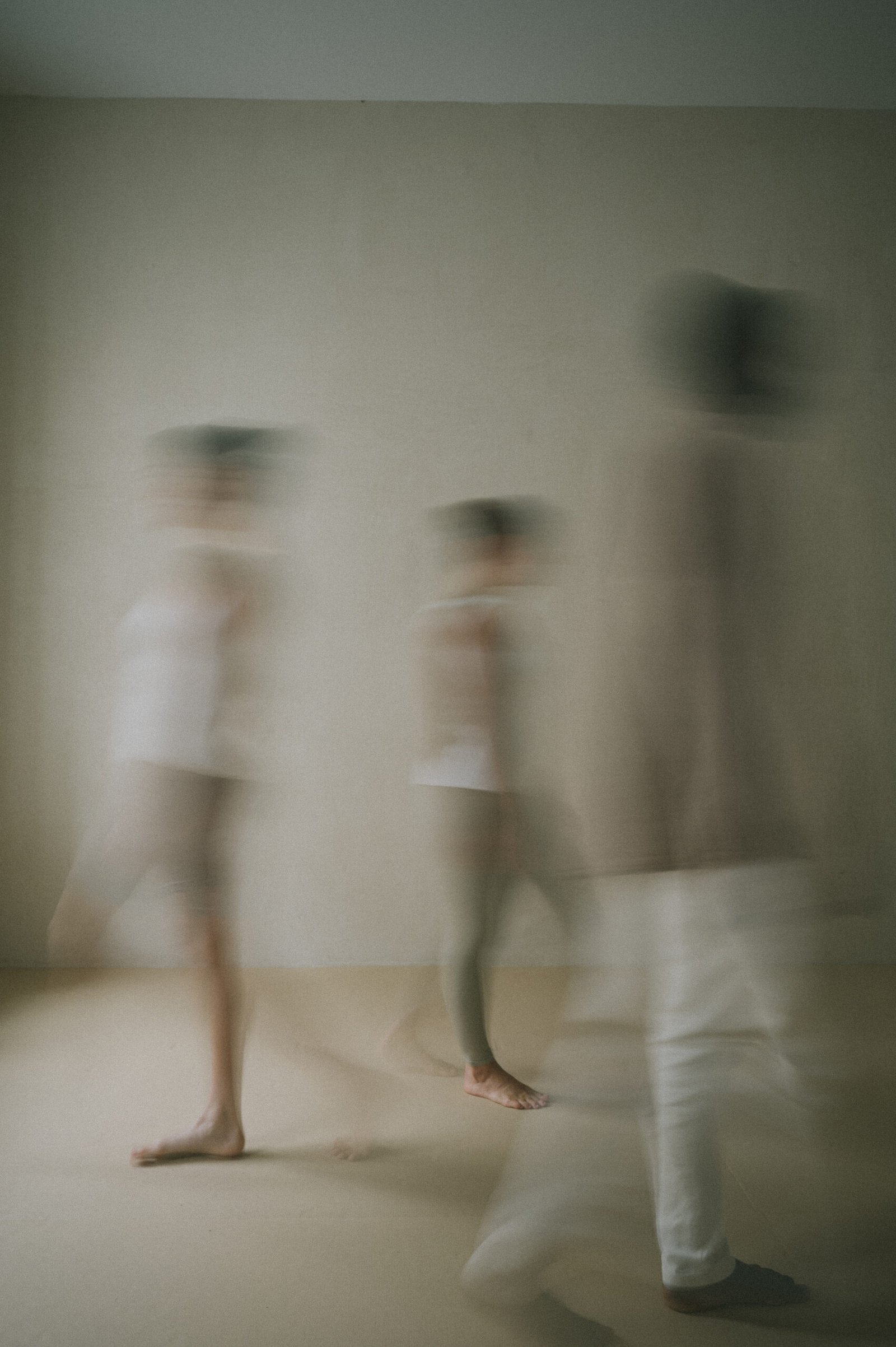
At its heart, Vinyasa Flow is a practice built on the relationship between breath and movement. Each pose connects smoothly to the next, guided by the rhythm of your inhale and exhale. It’s less about achieving a perfect shape and more about creating a steady, moving meditation. Whether you’re new to yoga or returning after a long break, Vinyasa Flow can meet you exactly where you are.
This post breaks down what Vinyasa Flow actually involves, how it differs from other styles you might have heard of, and what a typical class at our studio looks and feels like.
Where the word “Vinyasa” comes from
The word Vinyasa comes from Sanskrit and roughly translates to “arranging something in a special way.” In yoga, it refers to how postures are sequenced and linked through breath. Rather than holding a single pose for a long period, as you might in some other styles, Vinyasa classes move continuously from one shape to the next.
This linking is often described as “flow,” which gives the class its full name. A typical sequence might move from Downward Dog to a low lunge, then into a standing pose, then back down again, all coordinated with a specific breathing pattern. Inhale as you lengthen or lift, exhale as you fold or twist. Over time, this rhythm becomes intuitive, and the breath becomes an anchor that keeps your mind present rather than distracted.
Vinyasa isn’t one fixed set of poses. Unlike some traditional styles with a set sequence taught the same way every time, Vinyasa allows instructors creative freedom. This means no two classes are ever quite identical, even with the same teacher, which keeps the practice engaging for both new students and long-time regulars.
How it compares to other styles
If you’ve tried Hatha yoga before, you’ll notice Vinyasa moves at a different pace. Hatha classes generally hold poses for longer, giving you time to settle into alignment and breath before transitioning. Vinyasa, by contrast, keeps you moving, adding a gentle cardiovascular element alongside the usual benefits of strength and flexibility.
Compared to Yin yoga, which focuses on long, passive holds to target connective tissue, Vinyasa is far more active and dynamic. And unlike some stricter styles that follow the same sequence in every class, Vinyasa offers variety, which many students find keeps their practice interesting month after month.
That said, Vinyasa is not about speed for its own sake. A well-taught class should never feel rushed or chaotic. Instead, the pace should feel purposeful, with enough guidance from your instructor that you always know what’s coming next. This is particularly reassuring if you’re newer to yoga and still learning pose names and transitions.
What to expect in a class with us
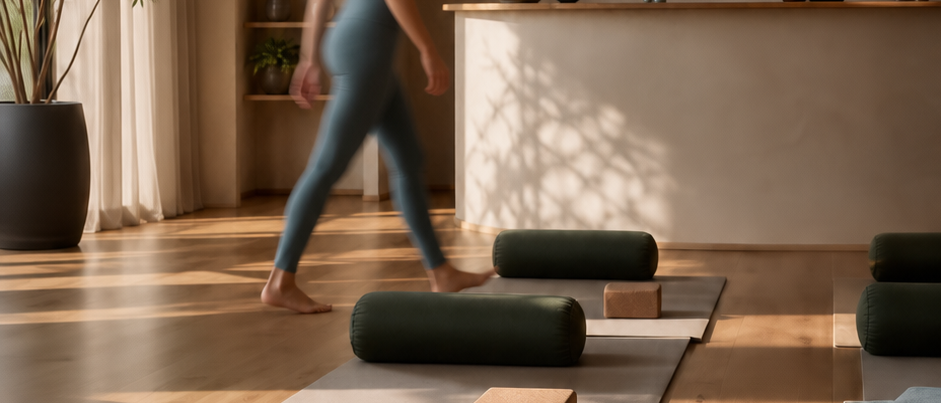
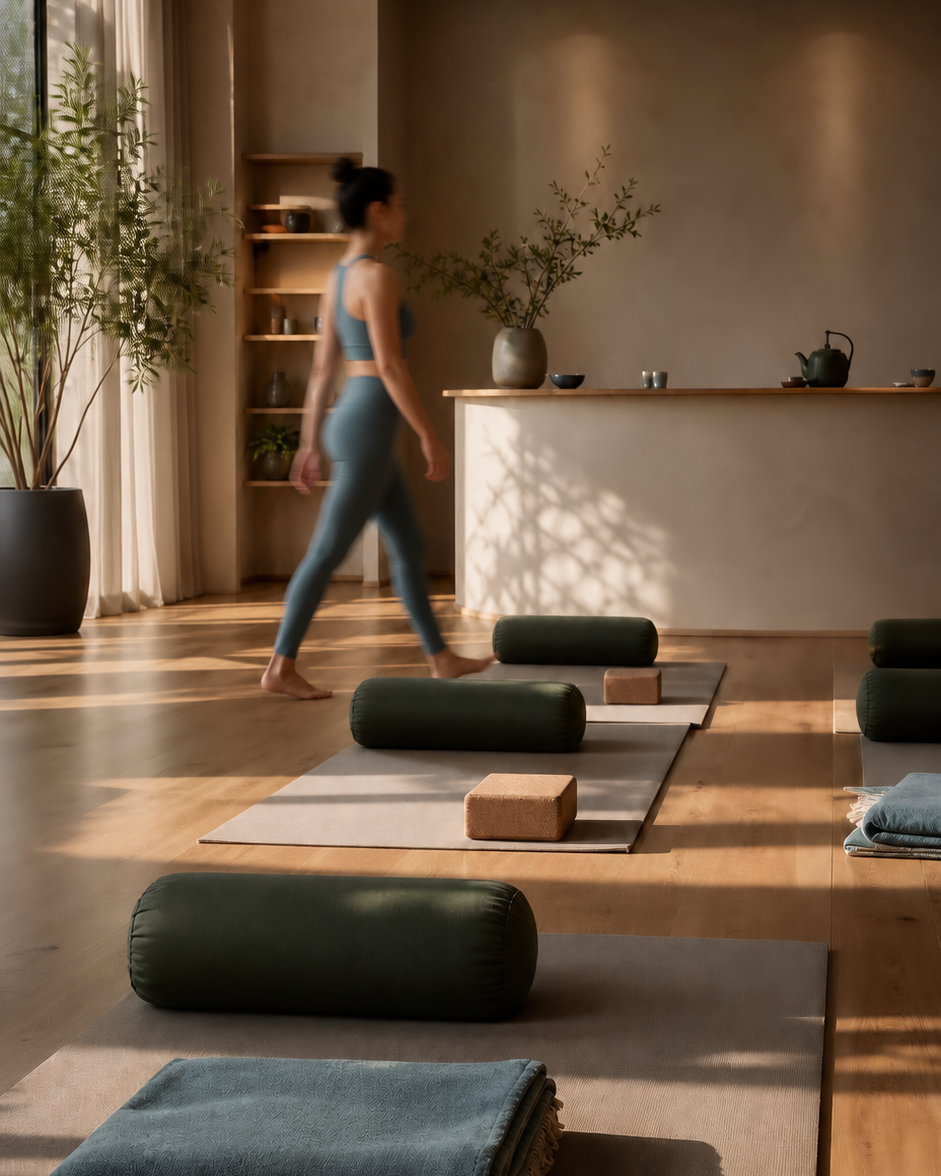
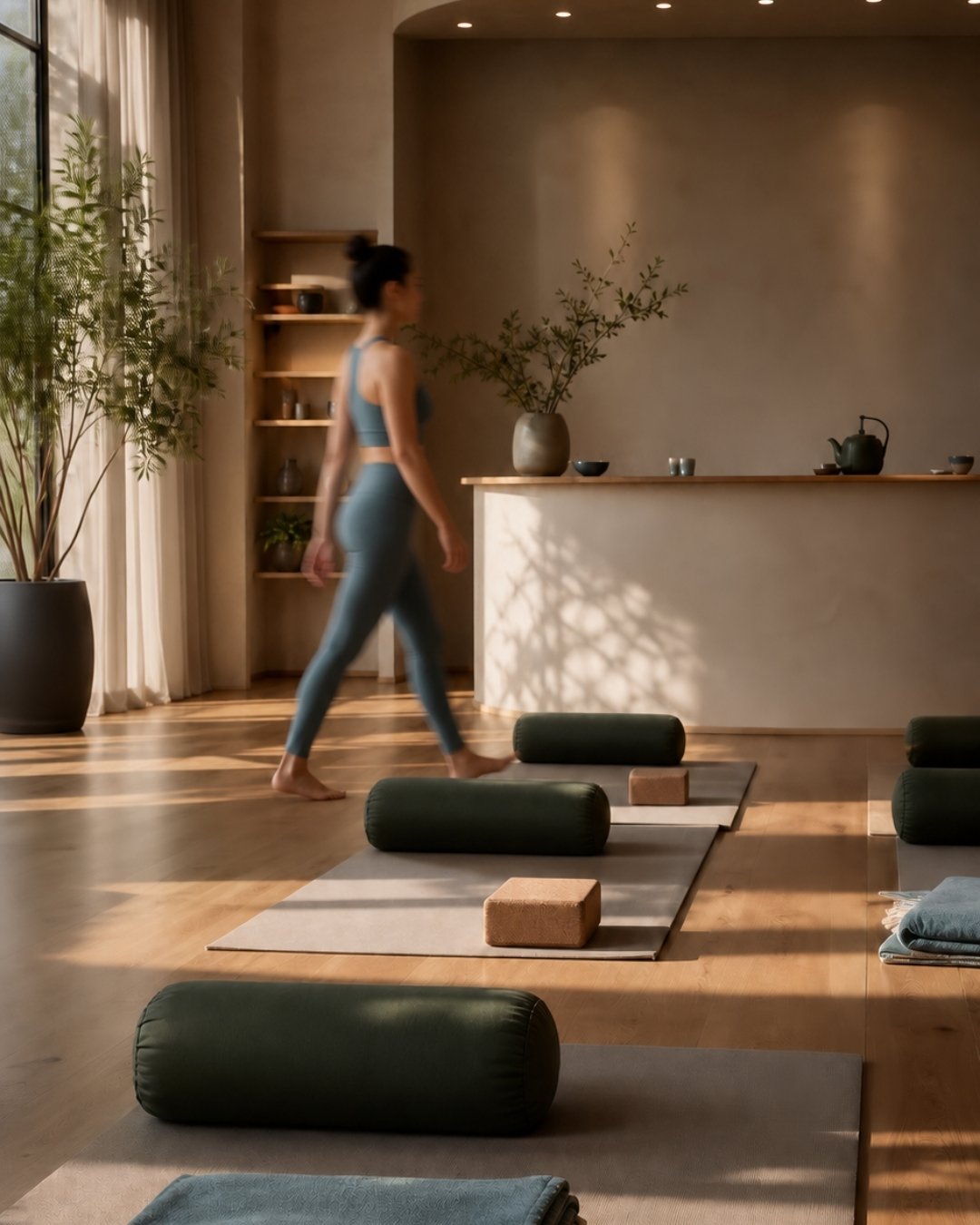
Every Vinyasa Flow class at our studio begins with a short grounding period. This gives you a few minutes to settle in, connect with your breath, and set an intention for your practice. From there, your instructor will guide you through a warm-up before building into the main sequence.
Expect a mix of standing poses, balance work, and floor-based stretches, all connected through breath cues. Instructors offer modifications throughout, so if a pose feels too intense or unfamiliar, a gentler variation is always available. You never need prior experience to join, and props such as blocks and straps are available for anyone who wants extra support.
Classes typically close with a few quieter, restorative poses and a short relaxation period, allowing your nervous system to settle before you head back into your day. Many students describe this final stretch as the part they look forward to most.
If you’re unsure which class time or instructor might suit you best, our front-of-house team is always happy to help you choose based on your experience level and goals.
Ready to try your first class?
Vinyasa Flow offers a practice that’s both physically engaging and genuinely calming, built around the simple idea that breath and movement belong together. It suits complete beginners and those who have practised for years, because the pace and intensity can shift from class to class and teacher to teacher.
—
To book a session or a term, go to yogawellness.com.