

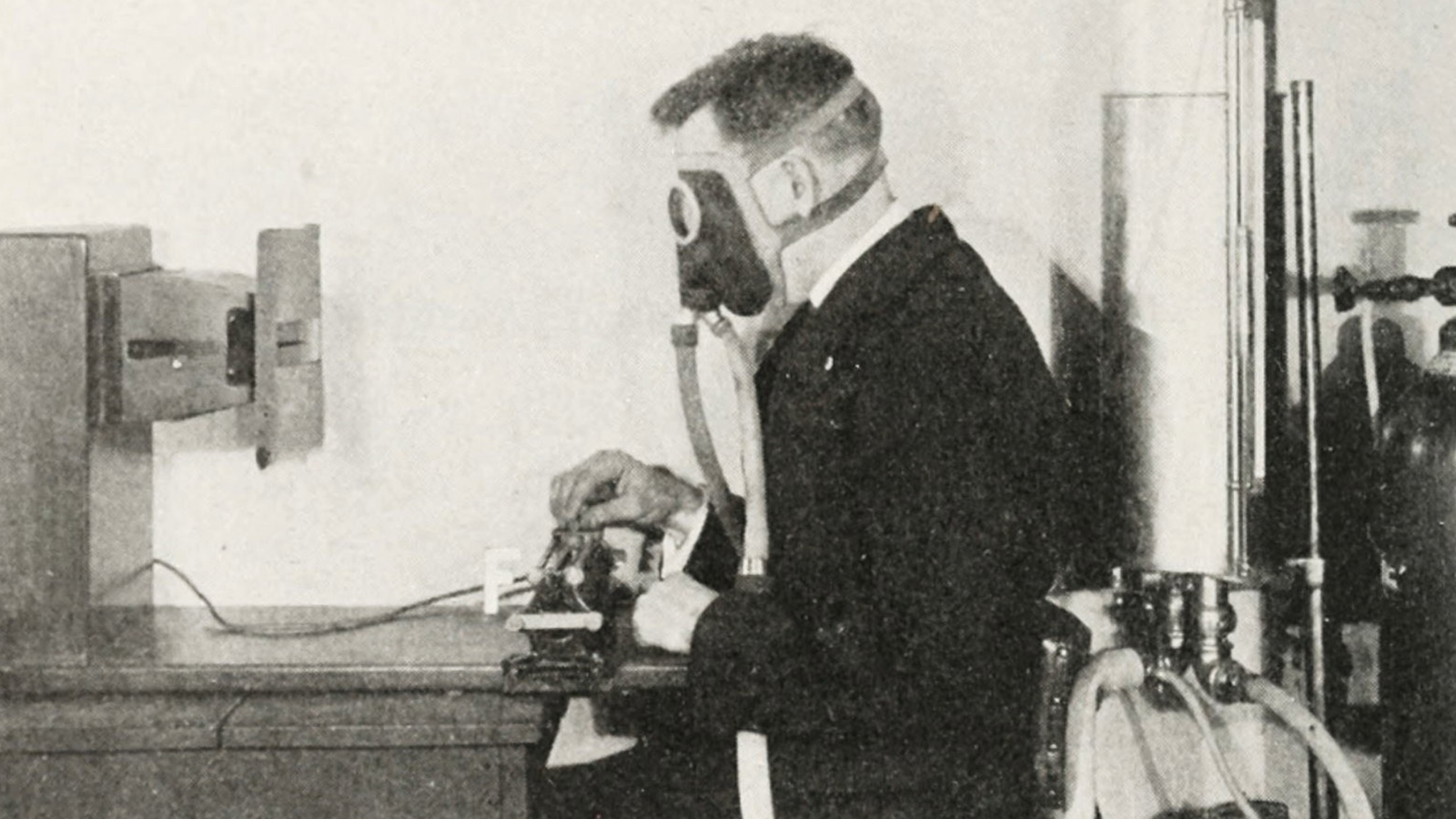
The laptop is always within reach. The idea of it being in another room feels slightly dangerous. I know this feeling. I lived it for years: half-present at dinner, checking messaging apps at midnight, refreshing email on Sunday like the inbox was a vital sign to monitor.
I told myself it was dedication. It was not. It was something more uncomfortable, and it took longer than I would like to admit to name it. The uncomfortable thing is that the work had become the only place I felt useful. Outside of it, I was uncertain. Inside it, I had a role, a function, a reason to be there.
Research published in the Journal of Small Business Management on founder role identity found that founders whose self-concept is tightly fused with the venture experience significantly greater psychological strain during periods of underperformance, because any setback in the business is processed as a personal failure rather than a situational one.
The business was not struggling. I was fine by all external measures. But I had quietly stopped being a person and started being a function.
The cost of that is harder to measure than a revenue dip. It shows up first in the quality of the thinking. Then, in the quality of the conversations. Then, eventually, in the quality of the work itself, which is the thing the over-availability was supposedly protecting.
A longitudinal study tracking the relationship between workaholism, overcommitment, and burnout found that overcommitment fully mediates the path from work addiction to burnout. That job satisfaction accelerates the process rather than preventing it. The better things are going, the harder it becomes to stop. The success becomes the trap.
Inbox Identity
There is a specific variety of exhaustion that comes from cognitive over-availability. The Mayo Clinic describes cognitive overload as a state where increased stress, fatigue, and frustration with normal daily activities signal that the brain’s processing capacity has been exceeded.
For a founder, the symptoms are subtle at first. You arrive at a brief that should take an hour, and it takes three. You read the same paragraph four times and retain nothing. You have a conversation with someone you care about, and your attention keeps sliding sideways. You are present in body and somewhere else entirely in mind.
I tried discipline. Earlier starts, task batching, and time-blocking. What I did not try, for a long time, was the one thing that would have addressed the actual problem: closing the laptop and meaning it. Not pausing work and ending it.
Research on entrepreneur burnout across 184 participants found that perceived stress and work addiction together explained 54.4% of burnout variance, and that the single most protective factor was not better systems, but harmonious passion, the ability to engage with work from a place of genuine interest rather than compulsion.
The difference between those two states is not always visible from the outside. From the inside, one feels like a building. The other feels like you cannot stop, even when you want to.
The hard part is that the work genuinely matters to me. That is not the problem. The problem is the conflation of mattering and being on.
A thing can matter deeply and still have hours when it does not need you. The inbox does not die at 8pm. The client does not suffer because you ate dinner without checking your phone. The strategy does not erode because you slept eight hours. These are things I knew intellectually for years before I believed them operationally.
One Hard Stop
What changed was a single conversation with someone who asked me what I did when I was not working. I started to answer and stopped. I wasn’t able to provide a specific, honest answer.
I had hobbies that had quietly become aspirational rather than actual. I had relationships that were maintained rather than tended. I had a version of a life outside work that I kept meaning to get back to once things settled down, but they never did because I had arranged my availability to ensure they wouldn’t.
The reframe that helped was simple and slightly annoying in how obvious it turned out to be. The quality of the work is downstream of the quality of the person doing it. Not the number of hours they commit. Not how quickly they reply. The quality of their thinking, their presence, and their capacity to produce something original rather than something competent.
A 2023 study on work addiction symptoms found that the path from addiction to burnout runs specifically through problems and exhaustion, with the absorption dimension of work addiction directly accelerating cognitive depletion.
You cannot be absorbed in the work twenty-four hours a day and retain the cognitive resources the work actually requires. You are borrowing from the reserve and pretending it is renewable.
Set one hard stop today and do not move it. Not a soft boundary with exceptions. A fixed time at which the laptop closes, and the work waits until morning. The work will still be there. So will you, which is the entire point.
More Journal
I Stopped Chasing Consistency
What happened when I stopped posting every day and started posting with a point instead?

The Cost of Starting Without a Guideline
What operating without a content guideline actually costs, and why SG$3,500 fixes it permanently.

Your Team Is Not the Problem
Why most team execution failures are briefing failures, and who is actually accountable.