

Campaign strategy
This 90-day strategy sequences design storytelling, experience highlights and guest reviews to build sustained direct booking interest, replacing promotion-only spikes with a structured plan that connects the hotel’s design story, experiences and reviews into a steady stream of interest.
Campaign domain definition
Awareness
Increase visibility in the market.
Attention
Increase engagement and connection.
Acquisition
Increase leads and sales.
Adoption
Increase retention and customer lifetime value.
Advocacy
Increase referrals and virality.
Acquisition campaign
Acquisition is the primary focus of this campaign. Over these 90 days, the hotel moves from promotion-only spikes that fade quickly to a structured pipeline that builds design credibility, showcases real guest experiences and surfaces authentic reviews, converting passive interest into more predictable direct bookings.
Problem & Solution
Bookings spike around promotions but drop quickly after, with no content plan connecting design story, experiences and reviews into a steady stream of interest, leaving the hotel dependent on discount-driven spikes and third-party OTA traffic. The solution sequences design storytelling, experience highlights and guest reviews into a repeatable 90-day structure, giving prospective guests a sustained reason to consider a direct stay rather than a one-off promotional trigger.
Promotion-only spikes generate short-term bookings but fail to build the design credibility a direct-booking decision requires.
A sequenced pipeline turns occasional promotional attention into sustained, qualified interest in direct booking.
Design-led, guest-first storytelling reflects the hotel’s approved narrative of thoughtful design and practical personal service, per the guideline.
Objective & Metric
The primary objective is acquisition: generating more predictable direct bookings and reducing reliance on OTAs. Success is measured by booking-engine referrals and completed direct bookings, targeting a 20% increase in direct-booking-engine sessions and a 15% increase in completed direct bookings over the 90 days, tracked through the guideline’s direct-booking attribution system.
Booking-engine referrals, not raw reach, are the clearest signal that content is translating into direct-booking consideration.
Reduced OTA reliance is measured against the same 90-day baseline period for comparable data.
The 90-day review aligns with one full design-experience-review content cycle, per the guideline’s KPI structure.
Audience & Targets
The primary audience is prospective leisure and business travellers researching a stay in the hotel’s market, including new guests discovering the hotel and past guests considering a return stay. The target is a 20% increase in qualified booking-engine sessions attributable to sequenced content within the 90-day window.
Leisure travellers respond to design storytelling and experience highlights; business travellers need practical, workspace-led content.
Past guests represent a warm, lower-cost-to-convert audience for return direct bookings.
Booking-engine session growth, not social reach alone, reflects the guideline’s consideration-to-conversion KPI structure.
Message & Narrative
The core message is that this is a design-led boutique hotel offering practical personal service and genuine neighbourhood value, not generic luxury hospitality language. The narrative arc follows the guideline’s structure: a guest moment or design detail, a verified feature or benefit, then a direct-booking action, moving prospective guests from design appreciation through experience understanding to a review-backed booking decision.
Every asset avoids inflated hospitality clichés (world-class, ultimate, unforgettable), per the guideline’s tone-to-avoid rule.
Design and service content pairs atmosphere with a verified, specific detail, per the guideline’s room-content tone.
Tone stays calm, welcoming and locally informed throughout, never generic or oversold.
Conversion & CTA
The primary action across this campaign is to explore rooms, check available dates or book direct, with CTA specificity increasing as content moves from discovery to consideration to conversion, per the guideline’s direct-booking CTA structure. Early content invites exploration; later content directs to a specific room, package or booking date.
Discovery-stage CTAs invite exploring rooms or experiences rather than immediate booking commitment.
Consideration-stage CTAs invite checking available dates for a specific room type or package.
Conversion-stage CTAs state book direct plainly, per the guideline’s one-clear-action-per-asset rule.
Tactic & Cadence
Tactics sequence three content types across 90 days: design storytelling (room stories, atmosphere, and verified features), experience highlights (occasion-led packages and local neighbourhood content), and guest reviews (consented, anonymised, or attributed testimonials paired with relevant context). Cadence runs a steady weekly rhythm that keeps all three pillars visible without over-relying on any single narrative.
The weekly rhythm keeps design, experience and review content appearing together, not as disconnected content categories.
Guest reviews are paired with relevant context (a work-ready stay, a calm location), per the guideline’s review-use rule.
Seasonal experience content is scheduled around confirmed local occasions, not generic global travel dates.
Budget & Resources
This campaign is resourced through a Zazoozoo Production batch built for a design-led, guest-story-first content mix, detailed at the channel stage: SG$10,500 for owned media (15 single posts, 10 carousels, 6 short-form videos, 3 email sends) and SG$1,500 for shared media (3 guest-review and user-generated-content curation sets), totaling approximately SG$12,000 in content production against the 90 days, in addition to the SG$5,000 Strategy base fee.
Recommended mix: 15 single posts, 10 carousels, 6 videos, 3 emails (owned), plus 3 guest-review curation sets (shared).
Total estimated production spend is approximately SG$12,000, priced against Zazoozoo’s Production rate card, plus the SG$5,000 Strategy base fee.
Spend prioritises owned design and experience storytelling, with lighter shared support for authentic, consented guest proof.
Risks & Mitigation
The main risk is that design or experience content drifts into unverifiable or inflated claims, or that guest reviews are used without documented consent, breaching the guideline’s evidence and consent standards. Mitigation follows the guideline directly: verify every room, rate and package claim against current hotel sources, avoid prohibited superlatives, and obtain documented guest consent before using any review, image or testimonial.
The guideline’s claim-evidence rule and confidence-level labelling before publication mitigate the risk of unverifiable claims.
Inflated-language risk is mitigated by avoiding prohibited terms (world-class, ultimate, unforgettable) per the guideline’s tone-to-avoid rule.
The guideline’s documented consent and source-permission register mitigates consent risk for guest reviews and imagery.
Insights & Learnings
This campaign responds to a confirmed inquiry priority of acquisition, with a direct-booking lift target; an audit finding that bookings spike around promotions but drop quickly without a connecting content plan; and research showing comparable boutique hotels that sequence design, experience, and review content sustain steadier direct-booking interest than promotion-only posting.
Inquiry insight: the hotel’s confirmed reliance on promotional spikes and OTA bookings directly set this campaign’s direct-booking objective and target.
Audit insight: booking spikes that drop quickly after each promotion confirmed the structural gap this campaign’s sequenced storytelling closes.
Research insight: comparable boutique hotels’ sequencing design, experience, and review content sustain steadier direct-booking interest, supporting this cadence.
Channel strategy
This 90-day channel plan leads with owned media for design storytelling and experience content, extends trust through shared guest reviews and user-generated content, and leaves earned and paid unused this cycle.
Channel mix definition
Paid
Drive reach and acceleration through advertising spend.
Earned
Build credibility through third-party validation or media coverage.
Shared
Foster organic amplification through community and social sharing.
Owned
Strengthen consistency and authority with brand-managed assets.
Owned channel
Owned is the primary channel of the acquisition campaign. Owned media carries the hotel’s website, booking engine, social accounts and email list, since these are brand-managed assets the hotel directly controls, including all room stories, experience content and confirmed booking information.
Role & Platforms
Owned media strengthens consistency and authority through brand-managed assets, and carries this campaign’s full design, experience and booking-clarity depth. The hotel’s primary owned platforms are its website and booking engine (room pages, experience pages, verified availability and direct-booking CTAs), its social accounts (design storytelling, experience highlights, neighbourhood content), and its email list (guest recaps, package information and return-stay prompts), per the guideline’s platform structure.
The website and booking engine host complete room and package information guests need before booking direct.
Social accounts carry frequent, design-led storytelling suited to both discovery and consideration-stage guests.
Email supports return-guest prompts and package information for warm, previously-booked audiences.
Objective & Metric
The primary objective is acquisition: building design credibility and experience understanding so prospective guests progress to a direct booking. Success is measured by booking-engine referrals and completed direct bookings, targeting a 20% increase in booking-engine sessions and a 15% increase in completed direct bookings over 90 days, per the guideline’s direct-booking attribution system.
Booking-engine referrals indicate whether design and experience content is translating into genuine consideration.
Completed direct bookings, not clicks alone, reflect real reduction in OTA reliance.
Both targets are reviewed at the 90-day mark, aligned to one full design-experience-review content cycle.
Audience & Targets
Owned media should reach prospective leisure and business travellers directly through design-led social storytelling and website content, while email serves past guests with return-stay prompts and package information. The target is 500 booking-engine sessions sourced from owned social and website content over the 90-day window.
Prospective travellers researching a stay are the highest-priority audience for design and experience storytelling.
Past guests reached through email represent a lower-cost-to-convert audience for repeat direct bookings.
Booking-engine session growth reflects the guideline’s consideration-to-conversion KPI structure.
Message & Narrative
Owned media develops the campaign’s full storytelling arc: room stories (a guest moment, a verified feature, a direct-booking CTA), experience content (occasion, verified inclusion, booking action), and neighbourhood guides connecting the hotel to genuine local value. Tone stays calm, welcoming and locally informed throughout, per the guideline’s voice, never inflated or generic.
Room and experience content follows the guideline’s repeatable templates for consistency across formats.
Every asset avoids prohibited superlatives (world-class, ultimate, unforgettable), per the guideline’s tone-to-avoid rule.
Neighbourhood content always connects back to a stay-related action, per the guideline’s neighbourhood-content structure.
Conversion & CTA
Owned media’s primary action shifts by guest stage: discovery-stage assets invite exploring rooms or experiences; consideration-stage assets invite checking available dates; conversion-stage assets state book direct plainly. All CTAs follow the guideline’s one-clear-action-per-asset rule.
Discovery CTAs invite exploring rooms or experiences rather than committing to an immediate booking.
Consideration CTAs direct to checking available dates for a specific room type or package.
Conversion CTAs clearly state “Book Direct” and link to the current booking engine, per the guideline.
Tactic & Cadence
Tactics include room-story carousels and single posts, experience-highlight content tied to verified local occasions, short-form room and neighbourhood video, and email sends to prompt return guests. Cadence runs a steady weekly rhythm, keeping design, experience and review pillars visible together rather than in isolated bursts.
The weekly rhythm ensures no single pillar (design, experience, reviews) dominates the calendar for extended periods.
Email sends align with confirmed package dates and past-guest stay anniversaries, not a fixed generic schedule.
Content reuses one photography or video shoot into multiple formats, per the guideline’s efficient-production guidance.
Budget & Resources
Owned media is resourced through a Zazoozoo Production batch of 15 single posts (SG$1,500), 10 carousel posts (SG$1,500), 6 short-form videos (SG$3,000) and 3 email sends (SG$4,500), totalling approximately SG$10,500 in production spend, priced against Zazoozoo’s Production rate card.
Email carries the largest share of owned spend, reflecting its role in return-guest prompts and package information.
Carousel and video formats support the room-story and experience content this campaign depends on.
This allocation assumes in-house booking-engine maintenance; no structural website rebuild is budgeted here.
Risks & Mitigation
The main risk is that room, rate or package content becomes outdated or unverified, breaching the guideline’s factual-freshness and claim-evidence rules. Mitigation follows the guideline directly: confirm rates, availability and package terms immediately before publication, and route all commercial or guest-sensitive content through the reservations lead for approval.
The guideline’s factual-freshness rule mitigates outdated-information risk by checking time-sensitive content before every publication.
The guideline mitigates unverified-claims risk by routing rate and package content through the reservations lead’s approval.
The guideline mitigates inconsistent room representation by removing imagery when furniture or finishes materially change.
Insights & Learnings
Owned media was selected as the primary channel based on the inquiry-confirmed reliance on the website and booking engine for direct-booking decisions, the audit finding that room pages lack consistent booking links and verified feature detail, and research showing comparable boutique hotels convert direct bookings primarily through owned design storytelling and experience content.
Inquiry insight: prospective guests confirmed the hotel’s website and booking engine as their primary research destination before booking direct.
Audit insight: inconsistent booking links and thin verified feature detail on room pages confirmed the gaps this strategy’s owned content addresses.
Research insight: comparable boutique hotels convert direct bookings primarily through owned storytelling, supporting this channel’s primary role.
Shared channel
Shared is the secondary channel of the acquisition campaign. Shared media captures organic guest reviews, photos and word-of-mouth that happens when guests discuss their stay independently, extending the credibility of owned storytelling without the hotel directly authoring the message.
Role & Platforms
Shared media fosters organic amplification through community and social sharing, acquired when guests leave reviews, share stay photos or tag the hotel independently. Relevant platforms include guest reviews on booking and review platforms, and organic stay photos guests share on their own social accounts.
Guest reviews and testimonials build independent, credible social proof beyond owned-authored content.
Organic guest photos extend reach through trusted peer experience rather than promotional messaging.
These sources are acquired, not authored, distinguishing shared content from the hotel’s own owned content.
Objective & Metric
The primary objective is organic trust-building: encouraging guests to leave reviews and share genuine stay photos or experiences. Success is measured by verified review volume and organic guest-photo submissions, targeting a 20% increase in verified reviews suitable for owned-channel reuse over 90 days.
Review volume signals growing guest confidence and willingness to vouch for the hotel publicly.
Organic photo submissions provide ethically sourced content for future design and experience storytelling.
The 20% target reflects shared media’s role in reinforcing, not driving, the campaign’s design-experience narrative.
Audience & Targets
Shared media should reach prospective guests researching the hotel through reviews, plus past guests willing to share photos or feedback from their stay. The target is a measurable increase in unprompted, permission-verified guest content suitable for future owned-channel storytelling.
Prospective guests researching reviews are the primary beneficiaries of strong shared-media proof.
Past guests willing to share photos or feedback are the source of authentic, reusable content.
All shared guest content requires documented consent before any owned-channel reuse, per the guideline.
Message & Narrative
The hotel does not author shared content; instead, this campaign encourages guests to share their own honest stay experiences, which the hotel can request permission to feature ethically. The guideline’s guest-review-use rules (attribution only with permission, anonymised excerpts otherwise, paired context) apply to any reused shared content.
Guest-authored reviews and photos carry more independent credibility than owned-authored design claims.
Any reused review must be paired with relevant context (a work-ready stay, a calm location), per the guideline.
The hotel never strengthens, fabricates or selectively edits guest reviews, per the guideline’s review-use rule.
Conversion & CTA
Shared media’s action is organic: a guest leaves a verified review, shares a stay photo, or tags the hotel in their own experience story. The campaign encourages this through simple, low-pressure requests included in post-stay email sequences.
Review requests are simple and low-pressure, avoiding incentivised or manipulated review generation.
Guests are invited to share their own stay experience, not pressured into exaggerated claims.
No paid or forced sharing mechanics are used, preserving shared media’s organic credibility.
Tactic & Cadence
Tactics include a verified review request in post-stay email sequences, monitoring of booking and social platforms for organic guest content, and a permission-and-consent process for any guest material the hotel wishes to feature. This runs continuously across the 90 days without a fixed publishing cadence, since the hotel does not control when guests share.
Review requests are timed to confirmed post-stay intervals, not a generic fixed schedule.
Continuous monitoring identifies organic guest content suitable for permissioned reuse in owned storytelling.
The consent and source-permission register, per the guideline, is followed before reusing any shared content.
Budget & Resources
Shared media is resourced through a Zazoozoo Production batch of 3 guest-review and user-generated-content curation sets (SG$1,500), supporting the process of identifying, requesting permission for, and lightly editing guest-submitted content, priced against Zazoozoo’s Production rate card.
Curation spend supports ethical sourcing and permission management, not content creation.
This is deliberately a lighter budget, since shared media’s value depends on organic guest participation.
No incentivised review programme is budgeted, preserving the authenticity the guideline requires.
Risks & Mitigation
The main risk is that shared media activity is slower or less consistent than a brand-authored channel, since the hotel cannot directly control when or how guests share. Mitigation follows the guideline directly: make owned storytelling genuinely engaging enough to prompt organic sharing, and maintain a clear consent process for any reuse.
Inconsistent organic review volume is mitigated by consistently engaging, shareable owned design and experience content.
The guideline’s source and permission register mitigates reused-content risk (misrepresentation, missing consent).
Slow organic growth is an accepted tradeoff for authentic, ethically sourced guest proof.
Insights & Learnings
Shared media was assigned a secondary role based on the audit finding that consented guest reviews and photos sit underused across booking platforms, the inquiry confirmation that guests are rarely asked directly for a testimonial, and research showing comparable hotels build direct-booking trust through authentic, consented guest proof layered on owned storytelling.
Audit insight: consented guest reviews and photos were found underused across platforms, confirming valuable proof currently goes uncaptured.
Inquiry insight: guests are rarely formally asked for a testimonial or photo, meaning organic shared potential remains largely untested.
Research insight: comparable hotels build direct-booking trust through consented guest proof layered on owned storytelling, supporting this sequencing.
Earned channel
Earned is the unused channel of the acquisition campaign. Earned media is not actively resourced in this 90-day plan, since the hotel’s current priority is building direct guest trust through owned and shared proof rather than pursuing travel-press coverage.
Role & Platforms
Earned media builds credibility through third-party validation and media coverage, best suited to travel and design publications, hospitality-adjacent influencers and local lifestyle press once the hotel has a stronger, more consistent public content base.
Travel and design publications are the most relevant earned platforms for this category long-term.
Hospitality-adjacent influencer coverage could strengthen credibility once formally scoped and permissioned.
This channel is deferred, not ruled out, for future campaign phases.
Objective & Metric
No earned-media objective is set for this 90-day campaign; this channel is intentionally unresourced while the hotel builds its owned design-storytelling foundation.
Earned media is deferred until the hotel has a stronger, more established public content base.
No metric or target applies while this channel remains unused in this campaign.
Revisit earned media once owned and shared performance data is available.
Audience & Targets
Not applicable to this campaign; no audience targeting is planned for earned media.
No audience segment is targeted through earned media during these 90 days.
Future earned activity would target travel press, design publications and hospitality-adjacent commentary.
This decision reflects a deliberate focus, not a resourcing gap.
Message & Narrative
Not applicable to this campaign; no earned-specific narrative is developed.
No message development is planned for earned media in this campaign.
A future earned narrative would draw on this campaign’s design and experience content as a credibility foundation.
This channel remains available for future activation once foundational content exists.
Conversion & CTA
Not applicable to this campaign; no earned-media conversion path is planned.
No CTA is developed for earned media during these 90 days.
Future earned coverage would likely drive traffic to owned design and experience content, not direct booking.
This channel’s absence does not affect the campaign’s core acquisition objective.
Tactic & Cadence
Not applicable to this campaign; no earned-media tactics or cadence are planned.
No outreach or pitching activity is scheduled during this campaign period.
Future earned activity would align with a confirmed design milestone or seasonal package launch.
This decision keeps team capacity focused on owned and shared execution.
Budget & Resources
No budget is allocated to earned media this campaign; all production spend is directed to owned and shared channels.
Zero budget is allocated to earned media in this 90-day plan.
Future earned investment would require separate scoping once this campaign concludes.
This reallocation keeps spend concentrated on the highest-priority channels.
Risks & Mitigation
The main risk of leaving earned media unresourced is missing an opportunity for third-party credibility during a trust-building campaign; this is an accepted tradeoff given the campaign’s owned-and-shared focus.
Missed press opportunities are an accepted tradeoff, not an oversight, for this campaign period.
Any inbound press interest during the campaign should still be handled per the guideline’s publishing-permissions standards.
Reconsider earned media for the next 90-day cycle if the current plan succeeds.
Insights & Learnings
Earned media was deprioritised based on the inquiry-confirmed absence of existing travel-press or influencer relationships, the audit finding that the hotel has not been featured in recent travel or design publications, and research showing comparable boutique hotels earn coverage only after establishing a consistent, design-led public content base.
Inquiry insight: the hotel confirmed it has no existing relationships with travel press, design publications, or hospitality influencers to build from.
Audit insight: we found no recent travel or design-press coverage, confirming earned media would start from zero this cycle.
Research insight: comparable boutique hotels earn press coverage only after a consistent design-led content base, supporting deferring this channel.
Paid channel
Paid is the unused channel of the acquisition campaign. Paid media is not actively resourced in this 90-day plan, since the campaign’s owned-storytelling, direct-booking-first approach targets the specific gap between OTA-driven paid spend and direct-booking conversion.
Role & Platforms
Paid media drives reach and acceleration through advertising spend, best suited to Meta ads and booking-engine retargeting once owned design and experience content has proven direct-booking consideration.
Meta ads and booking-engine retargeting are the most relevant paid platforms for future direct-booking campaigns.
Introduce paid media only after owned content has demonstrated genuine direct-booking consideration and conversion.
This channel is deferred, not ruled out, for future campaign phases with a direct-booking-specific objective.
Objective & Metric
No paid-media objective is set for this 90-day campaign; this channel is intentionally unresourced since acquisition depends on rebuilding owned direct-booking credibility rather than additional reach.
Paid media is deferred, since this campaign addresses its acquisition objective through owned and shared proof first.
No metric or target applies while this channel remains unused in this campaign.
Revisit paid media for a future cycle once owned direct-booking performance data exists.
Audience & Targets
Not applicable to this campaign; no paid audience targeting is planned.
No audience segment is targeted through paid media during these 90 days.
Future paid activity would retarget engaged owned and shared audiences specifically toward direct booking.
This decision reflects a deliberate focus, not a resourcing gap.
Message & Narrative
Not applicable to this campaign; no paid-specific message is developed.
No message development is planned for paid media in this campaign.
A future paid narrative would likely repurpose top-performing owned room-story or experience content.
This channel remains available for future activation once proven owned content exists.
Conversion & CTA
Not applicable to this campaign; no paid-media conversion path is planned.
No CTA is developed for paid media during these 90 days.
Future paid activity would most likely drive directly to the booking engine.
This channel’s absence does not affect the campaign’s core acquisition objective.
Tactic & Cadence
Not applicable to this campaign; no paid-media tactics or cadence are planned.
No ad campaigns or flighting are scheduled during this campaign period.
Future paid activity would align with a separately scoped direct-booking retargeting campaign.
This decision keeps team capacity and budget focused on owned and shared execution.
Budget & Resources
No budget is allocated to paid media for this campaign; all production spend is directed to owned and shared channels.
Zero budget is allocated to paid media in this 90-day plan.
Future paid investment would require separate scoping as part of a direct-booking retargeting campaign.
This reallocation keeps spend concentrated on the highest-priority channels for this objective.
Risks & Mitigation
The main risk of leaving paid media unresourced is slower direct-booking reach growth than a paid-amplified campaign; this is accepted as appropriate given the campaign’s owned-credibility-first objective.
Slower reach growth from paid is an accepted tradeoff given this campaign’s owned-first acquisition focus.
Paid media without proven owned content risks reinforcing the same OTA-dependent pattern this campaign aims to fix.
Scope paid media separately for a future cycle once owned direct-booking performance is proven.
Insights & Learnings
Paid media was deprioritised based on the inquiry-confirmed history of paid spend directed toward OTA-linked acquisition rather than direct bookings, the audit finding that no owned-channel retargeting or booking-engine paid campaigns currently exist, and research showing comparable hotels reduce OTA reliance through owned storytelling before introducing direct-booking paid media.
Inquiry insight: existing paid spend has historically supported OTA-linked acquisition, not direct bookings, confirming a structural gap this cycle.
Audit insight: no owned-channel retargeting or direct-booking paid campaigns currently exist, confirming that paid infrastructure should be built only after owned direct-booking performance is established.
Research insight: comparable hotels reduce OTA reliance through owned storytelling before adding direct-booking paid media, supporting deferral.
Content strategy
This 90-day content plan sequences design storytelling, experience highlights and guest reviews across three pillars, publishing primarily through owned channels with shared guest-review reinforcement.
Content pillars definition
Design storytelling
Room stories pairing a genuine guest moment with a verified feature, showing the hotel's design-led character without inflated hospitality language.
Experience highlights
Occasion-led packages, neighbourhood guides and booking-clarity content connecting a guest need to a specific, verified stay benefit.
Guest reviews
Consented, contextualised reviews and guest-shared content illustrating authentic stay experiences, never fabricated or selectively edited claims.
Scheduled content
A content library totalling 37 pieces across the 90 days: 15 single posts, 10 carousels, 6 short-form videos and 3 email sends (owned), plus 3 guest-review placements (shared). Volume follows a steady weekly rhythm, keeping all three pillars visible together, building toward more predictable direct bookings and reduced OTA reliance.
Day 1 to 30: Content pieces to produce and publish.
Day 1-10
A Quieter Way to Stay. Launch carousel introducing the hotel’s design-led character and neighbourhood location.
Publish: Day 1. Pillar: Design Storytelling. Format: Carousel. Channel: Owned. Platform: Instagram. Style & Structure: Room-story template: guest moment, verified feature, direct-booking CTA.
Morning Light, a Proper Desk. Single post pairing atmosphere with a verified room feature for business travellers.
Publish: Day 3. Pillar: Design Storytelling. Format: Single post. Channel: Owned. Platform: Instagram. Style & Structure: Room-content tone, sensory but practical language.
A Good Morning Begins Two Streets Away. Neighbourhood note featuring a verified local café and walking time.
Publish: Day 5. Pillar: Experience Highlights. Format: Single post. Channel: Owned. Platform: Instagram. Style & Structure: Neighbourhood-note template: hook, verified detail, stay-related CTA.
Explore Rooms in the City. Video tour of a signature room, showing real layout and lighting.
Publish: Day 7. Pillar: Design Storytelling. Format: Short-form video. Channel: Owned. Platform: Instagram/TikTok. Style & Structure: Vertical video, captioned, current photography only.
Book Direct: What You Get. Single post explaining the direct-booking benefit and its current conditions.
Publish: Day 9. Pillar: Experience Highlights. Format: Single post. Channel: Owned. Platform: Instagram. Style & Structure: Direct-booking clarity format, conditions stated plainly.
Day 11-20
A Weekend in the City. Carousel presenting a weekend-break package with verified inclusions and dates.
Publish: Day 11. Pillar: Experience Highlights. Format: Carousel. Channel: Owned. Platform: Instagram. Style & Structure: Experience template: occasion, inclusion, check-available-dates CTA.
Designed for Slow Starts, Late Returns. Single post pairing room atmosphere with a practical guest benefit.
Publish: Day 13. Pillar: Design Storytelling. Format: Single post. Channel: Owned. Platform: Instagram. Style & Structure: Room-content tone, verified detail paired with atmosphere.
What Our Guests Say: A Quiet Place to Work. Consented review excerpt paired with business-stay context.
Publish: Day 15. Pillar: Guest Reviews. Format: Testimonial curation. Channel: Shared. Platform: Instagram. Style & Structure: Guest-review-use format, permission-verified, paired context.
The Team Can Help With Local Recommendations. Single post showing genuine, practical concierge support.
Publish: Day 19. Pillar: Experience Highlights. Format: Single post. Channel: Owned. Platform: Instagram. Style & Structure: Service-content tone, observable guest support, not vague claims.
Day 21-30
A King Bed, Blackout Blinds. Room story for the hotel’s signature quiet room, business and leisure appeal.
Publish: Day 21. Pillar: Design Storytelling. Format: Carousel. Channel: Owned. Platform: Instagram. Style & Structure: Room-story template: guest moment, verified feature, CTA.
An Unhurried Evening Nearby. Neighbourhood note featuring a verified local gallery or evening venue.
Publish: Day 23. Pillar: Experience Highlights. Format: Single post. Channel: Owned. Platform: Instagram. Style & Structure: Neighbourhood-note template, verified local detail.
What Our Guests Say: We Felt at Home. Consented review excerpt paired with a calm-location context.
Publish: Day 25. Pillar: Guest Reviews. Format: Testimonial curation. Channel: Shared. Platform: Instagram. Style & Structure: Guest-review-use format, permission-verified, paired context.
A Small Welcome Detail. Video showing a genuine, locally selected welcome amenity.
Publish: Day 27. Pillar: Design Storytelling. Format: Short-form video. Channel: Owned. Platform: Instagram/TikTok. Style & Structure: Service imagery, practical care over staged luxury.
Day 31 to 60: Content pieces to produce and publish.
Day 31-40
Natural Light, Soft Textures. Design-led room story emphasising calm, considered material choices.
Publish: Day 31. Pillar: Design Storytelling. Format: Carousel. Channel: Owned. Platform: Instagram. Style & Structure: Room-story template, considered-voice tone.
Plan a Weekend in the City. Offer-with-purpose post framing a seasonal package around a stay occasion.
Publish: Day 33. Pillar: Experience Highlights. Format: Single post. Channel: Owned. Platform: Instagram. Style & Structure: Offer-with-purpose template, verified inclusions, no urgency language.
Guest Question: What Time Is Check-In? FAQ-style post answering a common pre-stay question in plain language.
Publish: Day 37. Pillar: Experience Highlights. Format: Single post. Channel: Owned. Platform: Instagram. Style & Structure: Guest-question insight loop, converted into a short explainer.
A Client Meeting, Handled Simply. Email introducing meeting-friendly rooms and services to business-stay prospects.
Publish: Day 39. Pillar: Experience Highlights. Format: Email. Channel: Owned. Platform: Email. Style & Structure: Experience template, business-occasion framing.
Day 41-50
Every Detail Is Chosen to Make the Stay Easier. Mid-cycle brand-narrative post reinforcing the hotel’s design-led promise.
Publish: Day 41. Pillar: Design Storytelling. Format: Single post. Channel: Owned. Platform: Instagram. Style & Structure: Considered voice, calm specificity, no inflated claims.
A Route Worth Taking. Neighbourhood note showing the walk from the hotel to a verified nearby venue.
Publish: Day 43. Pillar: Experience Highlights. Format: Short-form video. Channel: Owned. Platform: Instagram/TikTok. Style & Structure: Neighbourhood imagery, verified distance and timing stated.
What Our Guests Say: A Quieter Night in the City. Consented review excerpt paired with a leisure-stay context.
Publish: Day 45. Pillar: Guest Reviews. Format: Testimonial curation. Channel: Shared. Platform: Instagram. Style & Structure: Guest-review-use format, permission-verified, paired context.
Mid-Cycle Recap: Rooms, Experiences and Reviews. Recap post summarising the cycle’s design, experience and review content so far.
Publish: Day 47. Pillar: Experience Highlights. Format: Carousel. Channel: Owned. Platform: Instagram. Style & Structure: Campaign narrative recap stage, informative and honest.
A Proper Desk Between Meetings. Business-traveller-focused room video emphasising practical workspace detail.
Publish: Day 49. Pillar: Design Storytelling. Format: Short-form video. Channel: Owned. Platform: Instagram/TikTok. Style & Structure: Room-content tone, business-guest-focused verified detail.
Day 51-60
For Business Trips That Need More Time. Business-stay package post explaining extended-stay inclusions and conditions.
Publish: Day 51. Pillar: Experience Highlights. Format: Carousel. Channel: Owned. Platform: Instagram. Style & Structure: Offer-with-purpose template, verified inclusions and conditions.
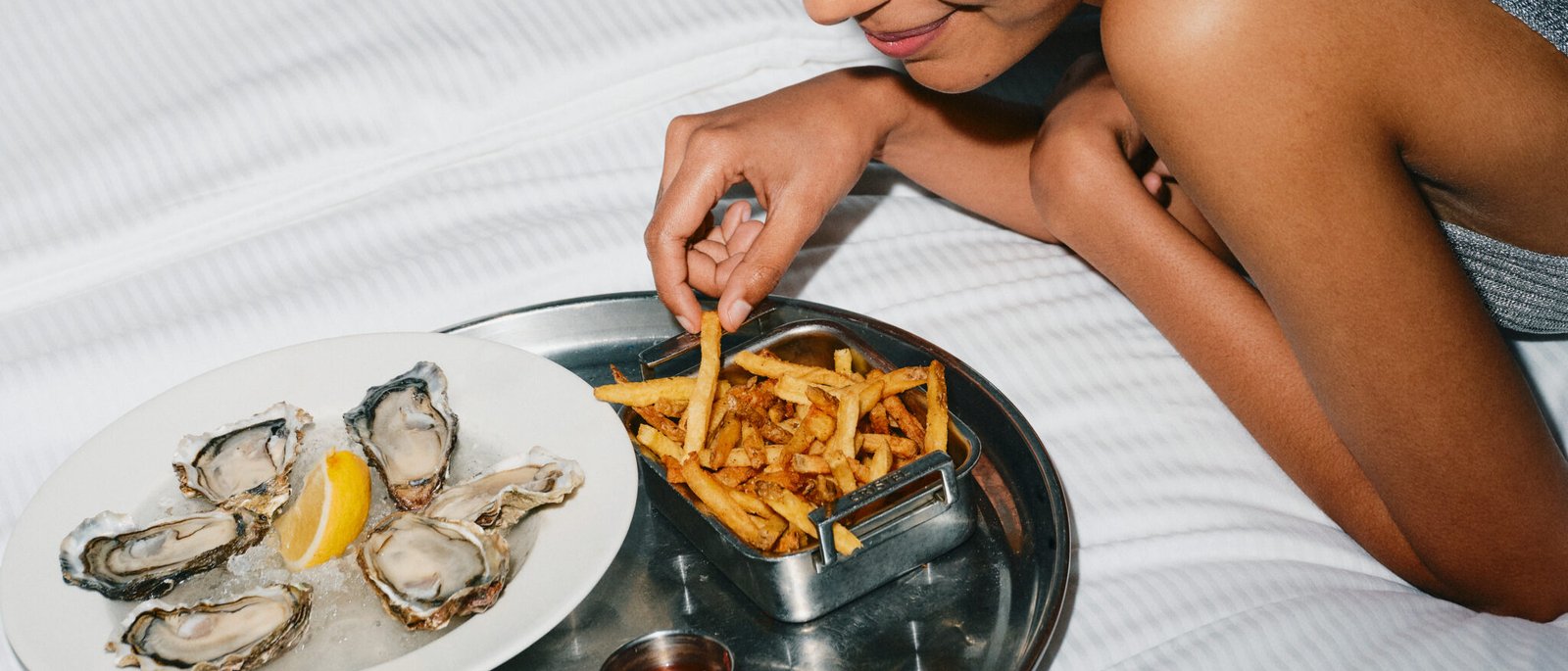
A Practical Moment: Breakfast Tray. Room story pairing a lived-in guest moment with a verified amenity.
Publish: Day 53. Pillar: Design Storytelling. Format: Single post. Channel: Owned. Platform: Instagram. Style & Structure: Room imagery, practical moment, not staged luxury.
Explore Rooms and Book Direct. Direct-booking-tone post inviting guests to explore current room availability.
Publish: Day 57. Pillar: Experience Highlights. Format: Single post. Channel: Owned. Platform: Instagram. Style & Structure: Booking tone, simple and direct, per the guideline.
A Return Stay, Made Easy. Email inviting past guests to consider a return direct booking.
Publish: Day 59. Pillar: Experience Highlights. Format: Email. Channel: Owned. Platform: Email. Style & Structure: Return-guest framing, direct-booking benefit stated.
Day 61 to 90: Content pieces to produce and publish.
Day 61-70
Space for the Essentials. Design story for a compact, thoughtfully arranged room type.
Publish: Day 61. Pillar: Design Storytelling. Format: Carousel. Channel: Owned. Platform: Instagram. Style & Structure: Room-story template, considered-voice tone.
A Nearby Market Worth the Walk. Neighbourhood video featuring a verified local market with practical timing.
Publish: Day 63. Pillar: Experience Highlights. Format: Short-form video. Channel: Owned. Platform: Instagram/TikTok. Style & Structure: Neighbourhood imagery, verified detail and timing.
View Current Rates and Stay Details. Direct-booking-tone post linking to the current booking engine.
Publish: Day 69. Pillar: Experience Highlights. Format: Single post. Channel: Owned. Platform: Instagram. Style & Structure: Booking tone; link only to the current booking engine.
Day 71-80
Blackout Blinds, a Quieter Night. Room story emphasising rest-focused features for leisure travellers.
Publish: Day 71. Pillar: Design Storytelling. Format: Carousel. Channel: Owned. Platform: Instagram. Style & Structure: Room-story template, considered-voice tone.
A Gallery Walk Worth the Evening. Neighbourhood note featuring a verified nearby gallery or cultural venue.
Publish: Day 73. Pillar: Experience Highlights. Format: Short-form video. Channel: Owned. Platform: Instagram/TikTok. Style & Structure: Neighbourhood imagery, verified venue and relevant timing.
Your Questions, Answered. FAQ carousel consolidating the most common pre-stay questions from the cycle.
Publish: Day 77. Pillar: Experience Highlights. Format: Carousel. Channel: Owned. Platform: Instagram. Style & Structure: Guest-question insight loop, consolidated FAQ format.
Check Available Dates. Consideration-stage post inviting guests to check dates for an upcoming stay.
Publish: Day 79. Pillar: Experience Highlights. Format: Single post. Channel: Owned. Platform: Instagram. Style & Structure: Consideration-stage CTA, per the guidelines’ booking structure.
Day 81-90
90 Days of Rooms, Experiences and Reviews. Recap carousel summarising the cycle’s design, experience and review content.
Publish: Day 81. Pillar: Experience Highlights. Format: Carousel. Channel: Owned. Platform: Instagram. Style & Structure: Campaign narrative recap stage, informative and honest.
Thank You for Staying With Us. Community-focused post thanking guests for their continued trust.
Publish: Day 84. Pillar: Design Storytelling. Format: Single post. Channel: Owned. Platform: Instagram. Style & Structure: Welcoming voice, warm and grounded tone.
What’s Next: Upcoming Seasonal Stays. Forward-looking post previewing the next cycle’s seasonal packages.
Publish: Day 87. Pillar: Experience Highlights. Format: Single post. Channel: Owned. Platform: Instagram. Style & Structure: Campaign-planning format, forward-looking and specific.
Book Direct for Your Next Stay. Closing booking-tone email inviting guests to book direct for an upcoming stay.
Publish: Day 90. Pillar: Experience Highlights. Format: Email. Channel: Owned. Platform: Email. Style & Structure: Booking tone, simple and direct, closing reminder.
Last updated 1 September 2026 by Zazoozoo.